| 3 min | by Doug Marrin |
As the positive impact of social distancing flattens the curve for COVID-19 cases locally and regionally, St. Joseph Mercy Hospital Chelsea is resuming select services and surgeries to safely provide clinically necessary care for the health and well-being of area patients.
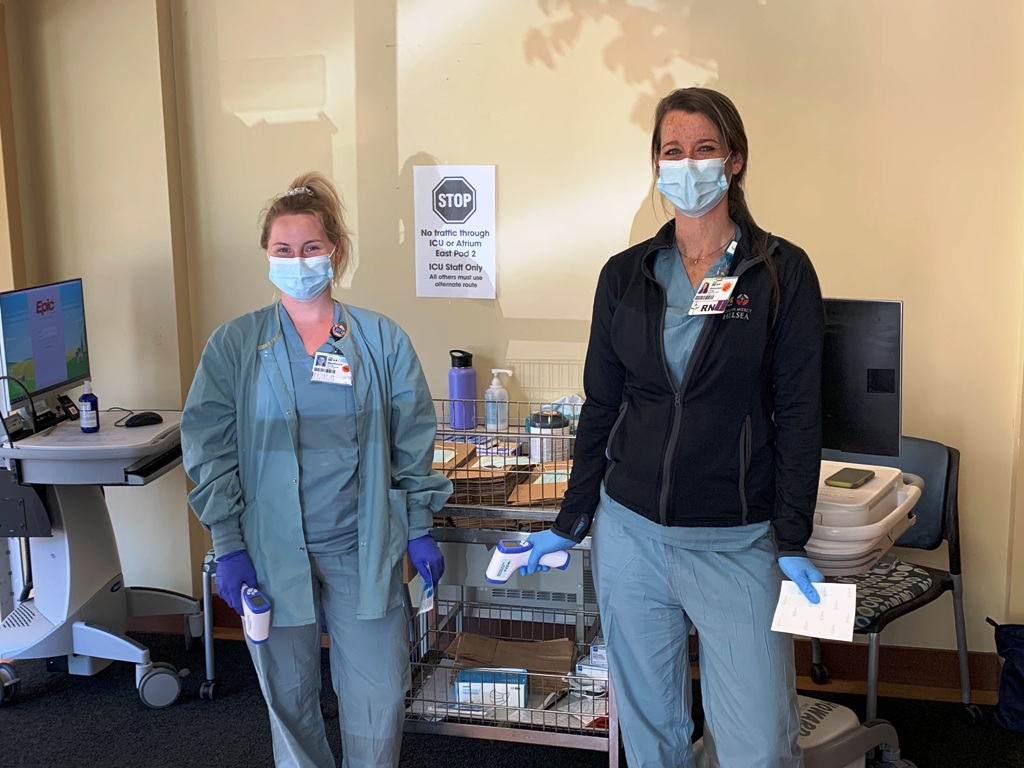
In a phone conversation with hospital CEO Nancy Graebner, she described how in accordance with the Governor’s Stay at Home, Stay Safe executive order enacted in mid-March, the hospital has only performed time-sensitive essential surgeries, including urgent and emergent procedures, as determined by its physicians and their patient’s health care needs. The Chelsea campus, however, is looking forward to the return of full operations.
“We’re anxious to return to providing the service that our community desires,” Graebner said. “When you’re in healthcare, it’s hard to say ‘No’. It’s a calling for all of us to serve. Not being able to serve in this capacity is really difficult, so we are all very excited to resume all hospital services.”
“as an acute care hospital, Chelsea has infectious disease patients every day of the year”
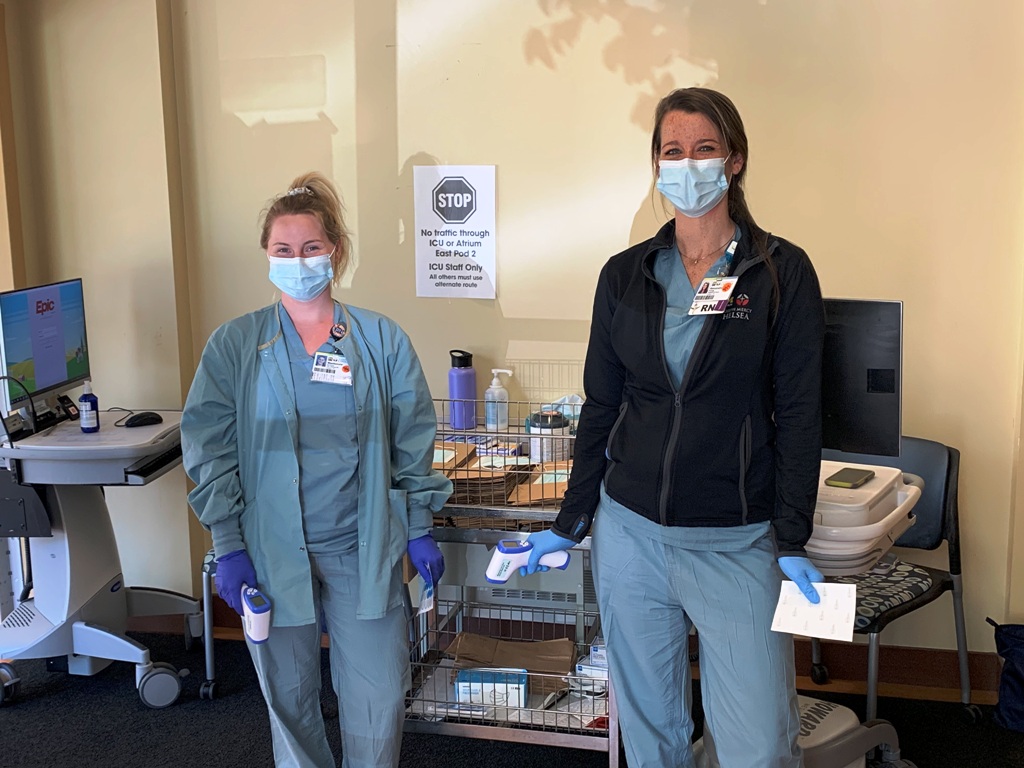
As the virus spread and the Governor’s order went into effect in March, St. Joseph Mercy Hospital Chelsea quickly implemented the necessary emergency safety protocols regarding the coronavirus. Although Graebner admits it was stressful making the changes, the hospital did have one huge advantage that many people may not realize.
“One thing that that I think confuses the public is that as an acute care hospital, Chelsea has infectious disease patients every day of the year,” Graebner explains. “We are set up to make sure that we can safely care for those who are contagious. Although COVID is a new virus, we have very safe ways to take care of our patients and protect our colleagues with appropriate PPE. We ensure that our cleaning protocols are according to CDC guidelines. So, this certainly took it up a notch but as an acute care hospital, we have contagions every day.”
Through a phased reopening approach, the health system is now focusing on addressing health conditions that may not be imminently life threatening but will result in overall worsening of the patient’s health and well-being if not addressed within the coming month. These essential procedures include cancer operations, vascular bypass, and diagnostic procedures for which further delay carries a significant risk of harm to patients.
“The slowdown was extremely difficult for all of us knowing there are patients in our community who wanted to have their surgery done,” says Graebner. “We’re very excited to be able to serve our community again.”
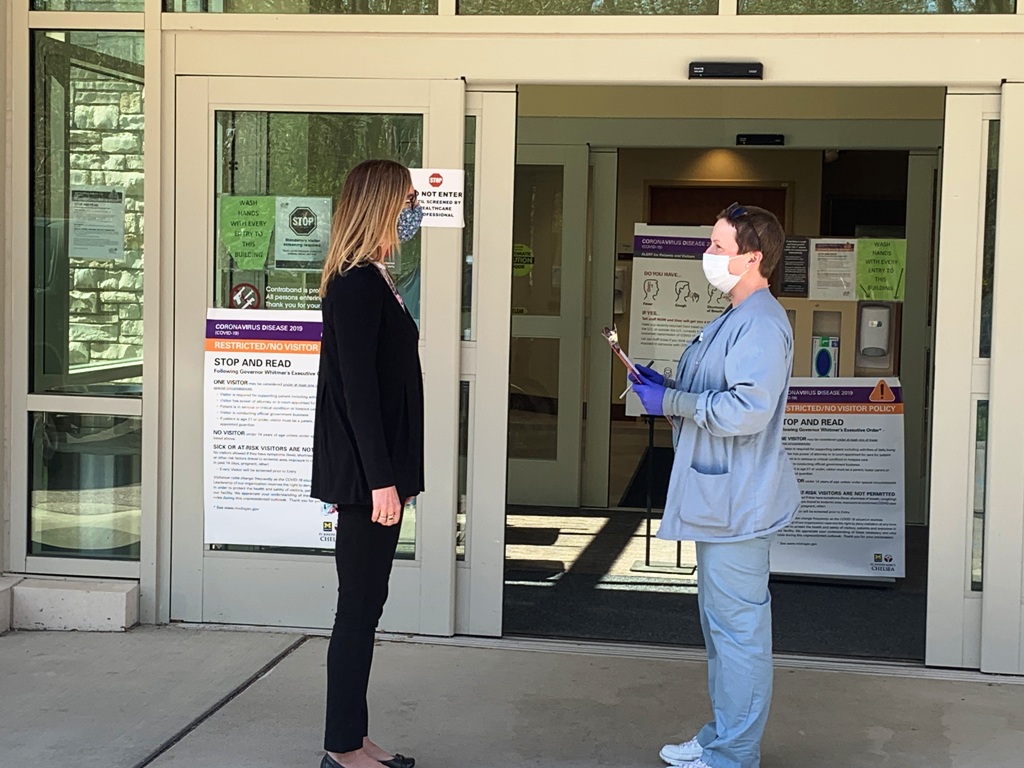
The resumption of operations, treatments, and services also bring a “new normal” in the form of stringent safety measures for those working on the campus or visiting. As one of those new measures, the hospital began a drive-thru COVID testing site on campus a few days ago for patients who have scheduled surgery or procedure as well as those referred by their physician.
“All St. Joseph Mercy Hospitals including Chelsea very strictly follow guidelines from the Centers for Disease Control and Prevention, Centers for Medicare and Medicaid Services, and any laws or executive orders governing the State of Michigan,” explains Graebner. “These guidelines all funnel into the decisions being made in bringing certain units of the hospital back online as well as the patient experience within the hospital.”
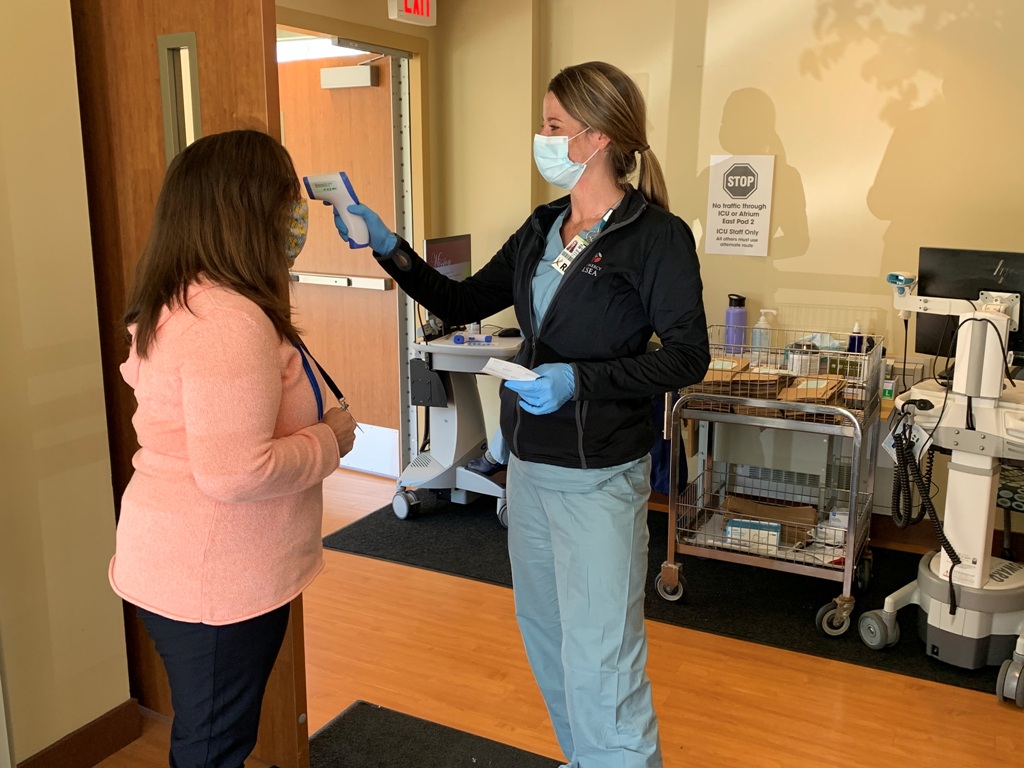
While COVID concerns have been high, and still are, some patients have been reluctant to seek appropriate medical care. There is concern among healthcare workers that their conditions could deteriorate or urgent needs could become emergent as a result. Graebner encourages anyone needing medical attention to get it.
“Across the country and certainly in Southeast Michigan, people have been holding off on seeking medical care because of fear, anxiety, or misunderstanding of what’s happening at the hospitals,” she says. “The hospital is safe. All of these precautions have been put into place to safeguard the patient population as well as our caregivers. We want people to feel comfortable and confident coming to the hospital if they need to.”
Some of St. Joseph Mercy Hospital enhanced safety measures include:
- COVID-free zones will separate patients confirmed to have COVID-19 from others in our facilities.
- All patients scheduled for elective procedures will be tested for COVID-19 prior to the surgery/procedure. If a patient tests positive, the procedure will be postponed until a negative result is obtained, unless urgent.
- Masks provided and required for everyone in our facilities.
- CDC standards for facility deep cleaning with increased frequency and special attention to surfaces that are frequently touched, like doorknobs and flat surfaces.
- Continued visitor restrictions.
- Continued monitoring of Personal Protective Equipment, medications, supplies, and bed capacity.
Physicians will be reaching out to their patients over the coming weeks to discuss the need to begin scheduling time-sensitive procedures. IHA and St. Joe’s Medical Group providers also continue to offer e-visits and video appointments so that patients still have access to needed health care, from the safety of their own home.
About Trinity Health Michigan
Trinity Health Michigan is a leading health care provider and one of the state’s largest employers. With more than 24,000 full-time employees serving numerous counties, Trinity Health Michigan is composed of eight hospitals, including the five hospitals of Saint Joseph Mercy Health System located in Ann Arbor, Chelsea, Howell, Livonia and Pontiac, and the three-hospital Mercy Health, operating in Grand Rapids and Muskegon. The health system has 2,348 beds and 3,400 physicians. With operating revenues of $3.4 billion, Trinity Health Michigan returns $195 million back to their local communities each year. Together with numerous ambulatory care locations, three home health agencies, one hospice agency and 17 senior living communities owned and/or operated by Trinity Health, Trinity Health Michigan provides the full continuum of care for Michigan residents.